
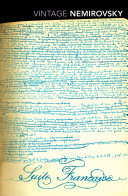
 Suite Francaise was written over 70 years ago, yet just saw the light of day 9 years ago. The manuscript sat in a suitcase that was unopened until shortly before it was sent for review to a publisher. The ‘discoverer’, the daughter of the author,
  Denise Epstein, painstakingly typed out the manuscript from the tiny handwriting she’d found.
Many of the names that Irene used were the same as people in her life. For example: Cecile and the surname Michaud were the first and last name of the Nanny whose family saved the Epstein daughters from extermination after the parents were sent away (Epstein is Irene’s married name). In the book, Cecile and the Michauds are different characters that never meet.
Irene took life around her as she saw it and wove it into a story that she was fairly confident would not be read until much later. In a letter, she indicates it won’t be published until the 50’s, or maybe for a thousand years. The editor posits that she chose that time frame as a reflection of Nazi Germany’s assertion that the 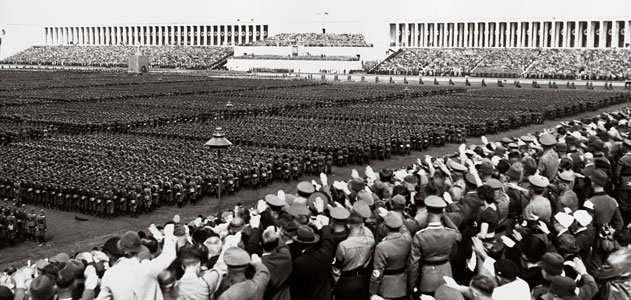 Third Reich would last for a thousand years.
What must it be like to create novel characters that are living the life you’re living, when you know that your life will likely soon be cut short? Or did she know? I argued back and forth with myself about this. There were hints, as through her poetry, where it’s clear she was aware of the danger she and her family faced. At other times – particularly when she was planning later parts of the novel – it seems she thought she’d last until the end of the war. It seems these are the details that make the novel as meaningful as it was, at least to me. It’s a case of 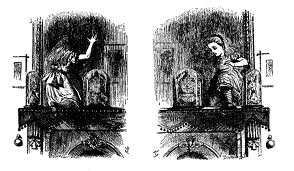 Alice and the Looking Glass – which side are you on?
I’m also intrigued by the plays on words in the story. Let’s take “Suite” for example. Irene intended the novel to have five parts:
Storm (which became Storm in June)
Dolce
Captivity
Battles?
Peace?
The question marks after the last two chapters were put there by the author. According to the Preface from the French edition, she was modeling the novel on Beethoven’s Fifth Symphony. In her notes, she talks about the book having ‘four movements’ (like Beethoven’s Fifth) as well as the rhythm in film that makes it work, like rhythm in music. She was looking to incorporate that same rhythm in this novel, hence the use of the word “Suite”. But there’s another, interesting element to the use of the homonym ‘sweet’, which I referenced in the last post. Sweet France? Was France sweet to Irene and her family? Obviously not, since it was the French authorities that had them sent away.
Then there’s the second section: Dolce. Dolce is an Italian word, as in the Fellini 1960 film title 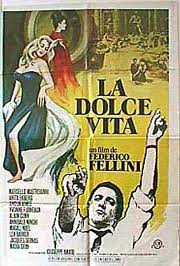 “La Dolce Vita”. The sweet life. Dolce means sweet.
I clearly recognize all this is reading way too much into the words, but who knows what the author intended? She was obviously brilliant, and had achieved a significant level of fame prior to her demise. She created characters based on people she knew and observed around her. The novel itself was likely a cathartic mechanism: her way of coping with how her ‘sweet’ life was unraveling around her.