

How many times have you heard people say, “Gee – I didn’t know that would happen!” That’s a result of the law of unintended consequences.
Take simple examples from everyday life: you punish your child for not completing their  homework by sending them to their room to ‘think about it’. What happens” They promptly start playing
  video games and ‘forget’ to do their homework again. Law of unintended consequences.
How about a set of problems on a bigger scale – e.g. stringent regulations? After the  Exxon Valdez, the federal government changed the rules of the game, and made the law one of unlimited liability for ship owners that create environmental damage. The result? Companies no longer used their own fleet, and switched to fly-by-night outfits with iffy insurance likely to declare bankruptcy if a problem occurred. This is a much bigger, costlier example of the law of unintended consequences. Too much regulation ends up costing more when compared with reasonable regulations and the power of social media to ‘persuade’ companies to do the right thing.
Onto a bigger, pervasive problem of wage deflation that has been occurring for the past twenty years. One of the effects of globalization has been to give multinational companies the ability to move production overseas to wherever labor costs were lowest. This ultimately benefitted the consumer in terms of price reductions. But the consumer is also the wage earner – except for the 1% – so in reality nothing was gained because of reduced ability to buy. Lower wages, I would argue, in large measure contributed to the borrowing binge from consumers attempting to keep their lifestyles on par with the past. They used the alleged equity in their homes to finance that which they could not purchase due to lower wages. We all know how that turned out. That equity wasn’t really there, and when the debt bubble burst, taxpayers ended up footing the bill. Taxpayers? Aren’t those the same people we were just talking about – workers, and consumers? Yes, indeed. How is this possible?
Taxpayers bailed out the banks, not the individual consumer. The individual consumer had to do a short sale or was foreclosed on. For those that used the home like a credit card, I guess you could say they got what they deserved. But the individual that lost their job and therefore couldn’t make the mortgage payments because of the bursting debt bubble? I’m not sure they fall into the same category.
After two decades of wage deflation, a large portion of the population has given up on trying to work. They went through their unemployment benefits and when those ran out, filed for and got disability, food stamps and medicaid. Families in this situation do not live  ‘high on the hog’. They pretty much just get by each month and survive to the best of their ability. They don’t buy flat screen TVs and they don’t eat at fancy restaurants. This kind of behavior is not at all stimulative to the economy, and in large measure explains why the so-called ‘recovery’ has been so prolonged in the U.S.
But things are fixing to change. Why? Two important reasons: 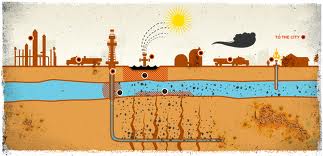 FRACKING
and  DEMOGRAPHICS
OK, you say, I’ll bite: what’s fracking?
Here it is from Investopedia:
Definition of ‘Fracking’
A slang term for hydraulic fracturing. Fracking refers to the procedure of creating fractures in rocks and rock formations by injecting fluid into cracks to force them further open. The larger fissures allow more oil and gas to flow out of the formation and into the wellbore, from where it can be extracted. Fracking has resulted in many oil and gas wells attaining a state of economic viability, due to the level of extraction that can be reached
OK, what is the benefit of this?
The benefit is in the availability of large quantities of natural gas used in industrial production. Here’s a graphic showing the projected increase in the use of natural gas by industry in the next couple of decades:
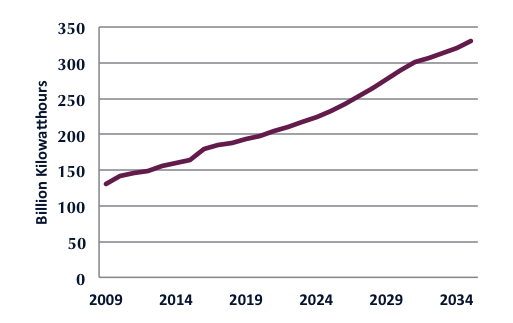 That’s a lot of gas.
The chickens are coming home to roost. Companies that left the U.S. years ago for China are now coming back and will soon be looking for skilled workers. Why? Natural gas prices in the U.S. – thanks to this new technology and midwest discoveries of natural gas – are 5 to 7 times cheaper than the price in Europe and Asia. Natural gas is hard to transport across the ocean because of special shipping needs. As such, that cost has to be factored in. Russia supplies Europe, and because energy is really their only source of income, when they need more money they just up the price. If Europe complains, Russia just shuts off the pipe. Good for stability, eh?
What about demographics? China is running out of blue collar workers, and the ones that exist are now being paid higher wages. Moving to Thailand or Vietnam just prolongs the inevitable, because of the same factors that have suppressed the availability of workers in China. Japan is trying a ‘hail Mary” strategy to solve its economic woes. The European Union is, for all intents and purposes, in a depression.
So back to the US – where will these companies find these skilled workers? Demographics are causing an aging population to retire early, or – as indicated above – quit the system and live a subsistence life. Cuts in education funding have eliminated many if not all of the technical programs industry needs to find these workers. The net result?
Aha! The law of unintended consequences. 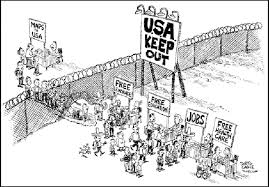 Immigration that took a huge nose dive after 9/11 will be the ultimate salvation of industry. Arizona’s legislation that empowered law enforcement to determine anyone’s immigration status left a big hole in that state’s agricultural work force. Same thing happened in Alabama. All of a sudden legislatures started being asked not to get involved by large agribusinesses. You won’t see that legislation in Florida.
Skilled and unskilled workers will be available from Mexico and Latin America, which still have healthy population increases because of their Catholic institutions. Americans left out of this resurgence from lack of skills or motivation will decry this unintended consequence. But it’s inevitable. And I believe this reality will be a first, big step in the recovery of America’s reputation as the place to go if you want decent employment. Too bad a whole generation of workers had to suffer before that reality came to pass.